Loading…
Wednesday September 23, 2026 8:45am - 10:00am MDT
Background / Purpose:
The COVID-19 pandemic disrupted multiple aspects of community health, including mental health, healthcare access, physical activity, and household economic stability. Although data collected in 2022 do not reflect current conditions in 2026, they provide an important early post-pandemic baseline to identify local public health priorities and populations requiring continued monitoring. This study used the 2022 Larimer County Community Health Survey to describe key community health needs and inform potential areas for local intervention.

Methods:
A weighted descriptive analysis was conducted using 2,700 adult respondents from the 2022 Larimer County Community Health Survey. Survey weights were applied to improve representativeness. Main outcomes included frequent mental distress, diagnosed mental or psychosocial condition, food insecurity, physical inactivity, skipped dental or medical care during the pandemic period, and healthcare access barriers. Weighted prevalence estimates and 95% confidence intervals were calculated overall and stratified by age, gender, income, education, and food insecurity status.

Results:
In weighted analysis, 38.5% of respondents reported a diagnosed mental or psychosocial condition, 38.7% were physically inactive, 31.8% skipped dental or medical care during the pandemic period, and 25.5% reported frequent mental distress. Adults younger than 65 years, women, low-income residents, and food-insecure individuals consistently showed higher burden across multiple outcomes. Residents at or below 100% of the federal poverty level had substantially higher prevalence of food insecurity (37.6% vs. 2.3%), physical inactivity (60.0% vs. 34.5%), skipped care (51.5% vs. 28.1%), and mental distress (41.0% vs. 20.0%) compared with residents above 400% FPL.

Implications:
Findings highlight important early post-pandemic public health needs in Larimer County. Results support targeted interventions focused on mental health, food security, healthcare access, and low-cost physical activity programs, particularly for younger adults, women, low-income, and food-insecure populations. Comparison with 2025 Health Survey may help assess whether these differences persisted or changed over time.
Speakers
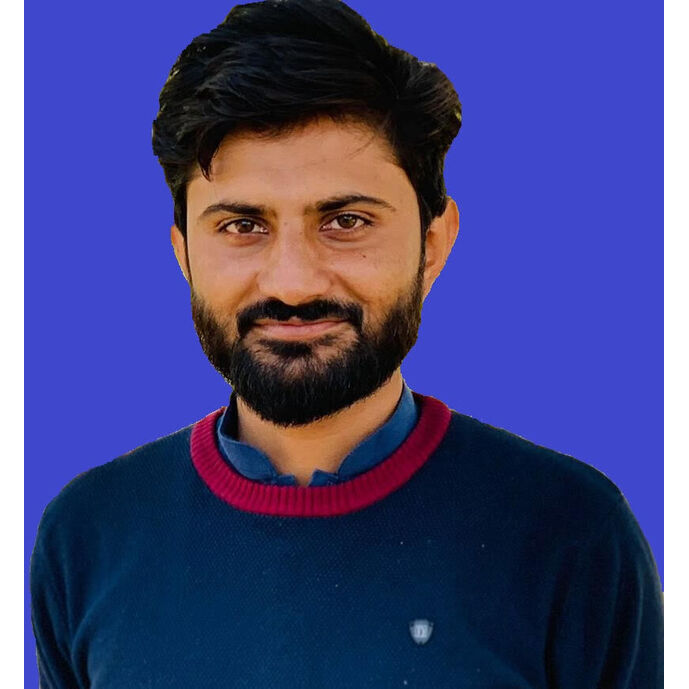
avatar for Sami Ullah Khan Bahadur

Sami Ullah Khan Bahadur

PhD Candidate, Animal Population Health Institute, College of Veterinary Medicine and Biomedical Sciences, Colorado State University
Sami Bahadur completed a DVM and a Master’s in Pathology in Pakistan and is currently pursuing a PhD in Clinical Sciences with a focus on Epidemiology at Colorado State University through the Fulbright Program. He has a strong background in veterinary medicine, public health, and... Read More →

Wednesday September 23, 2026 8:45am - 10:00am MDT
Red Cloud & Shavano

Sign up or log in to save this to your schedule, view media, leave feedback and see who's attending!

Share Modal

Share this link via

Or copy link