Loading…
Venue: Castle Peak 1 & 2 clear filter
Tuesday, September 22
 

8:30am MDT

Building Policy Power Through Community and Municipal Partnerships
Tuesday September 22, 2026 8:30am - 10:00am MDT
The Aurora Tobacco Retail License+ (TRL+) campaign exemplifies the conference theme, Stronger Together: Public Health in the Heart of the Rockies. This work united two local public health agencies, the City of Aurora, a long-standing community coalition, multiple national and statewide public health advocacy organizations, the business community, and technical support provided through the STEPP grant. Coalition membership reflects this wide range of partners, and these relationships continue to support education, implementation, enforcement, and evaluation of the TRL+ ordinance.

Because the policy process was complex and required coordinated expertise, shared leadership, and deep community engagement, it could not have succeeded without strong cross-sector collaboration around an evidence-based policy approach. The Aurora TRL+ campaign demonstrates that meaningful public health progress happens when diverse partners move forward together, truly embodying the theme that we are stronger together.

In March 2026, Aurora City Council unanimously approved the TRL+ ordinance, expanding compliance checks to reduce youth access to tobacco, nicotine, kratom, and psychoactive hemp products, and establishing inspections to prevent the sale of unscheduled psychoactive substances and drug paraphernalia. This achievement was made possible through a coordinated advocacy campaign where each partner contributed roles aligned with their expertise, agency parameters, and available resources.

Following the March 2026 approval by City Council, the coalition transitioned efforts toward a new phase of the policy continuum focused on supporting the City of Aurora as the licensing program is implemented. A subset of coalition partners will assist with retailer education and program evaluation to ensure effective rollout and long-term policy impact.

This presentation aligns strongly with Colorado’s Core Public Health Services and Foundational Capabilities by illustrating how the Aurora TRL+ policy advanced health equity and the social determinants of health through community-driven strategies to reduce youth access to harmful substances. It demonstrates policy development and support by walking attendees through the collaborative policy process, ordinance structure, and negotiation strategies used with policymakers and stakeholders. The session showcases robust partnerships, highlighting how youth coalitions, residents, city leadership, advocacy organizations, and local public health agencies worked together across systems. It reflects key organizational competencies, including communication, stakeholder engagement, adaptive problem-solving, and coordinated advocacy. Finally, the content directly supports chronic disease prevention by addressing substances that contribute to long-term health risks and by equipping participants with practical policy-advocacy skills to advance prevention strategies in their own communities.

Participants will work through complex policy scenarios from the viewpoints of public health, youth, local government, business, and community stakeholders, negotiating which ordinance elements are essential and which can be modified. This interactive exercise builds real‑world skills in balancing health goals with political, economic, and equity considerations. Participants will strengthen their ability to navigate competing interests and build consensus around ordinance language that advances health equity.
Speakers
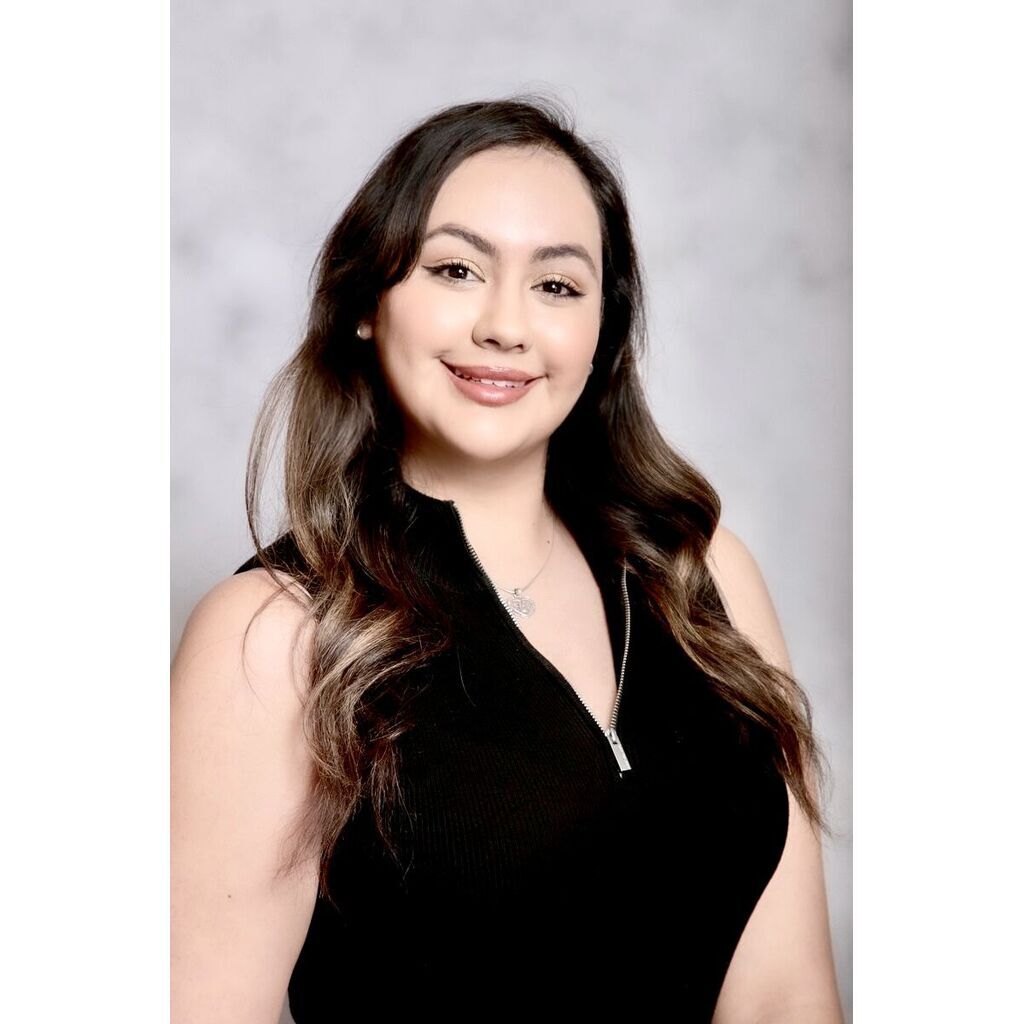
avatar for Vannesa Cruz

Vannesa Cruz

Bachelor’s degree in Psychology, Aurora Public Schools
Vannesa Cruz is a first-generation, bilingual public health and social work professional with a background in school leadership and systems support. Ms. Cruz leads youth substance prevention and intervention efforts for Aurora Public Schools, focusing on strengthening protective factors... Read More →

Tuesday September 22, 2026 8:30am - 10:00am MDT
Castle Peak 1 & 2

10:15am MDT

Crisis as a Catalyst: How Outbreak Response Shaped Our Culture and Capacity
Tuesday September 22, 2026 10:15am - 11:15am MDT
The Denver Department of Public Health & Environment’s (DDPHE) Epidemiology & Disease Intervention Team, as it exists today, is celebrating five years as a program later this year. Some could argue themes affecting the public health workforce in the last five years include uncertainty, reductions, decreased public confidence, increased burnout, a sense of urgency to continue the important work but “do more with less.” Denver's team has directly contended with these issues, but as we reflect back on the last five years, the resiliency, team culture, and positive impacts shine through the challenges. How did we get here despite all we’ve been thrown?

This session will briefly introduce DDPHE's Epidemiology & Disease Intervention Team and then dive into strategies, approaches, lessons learned, and intentional efforts to build staff resiliency, engagement, and retention following infectious disease outbreak responses that significantly impacted the team over the last five years. Each response will be described briefly to highlight the impact to staff and provide context. Tied with each response will be a deeper dive into how the team’s approach to the response and recovery after had an impact on the program, staff engagement, and future preparedness. During these sections, attendees will be invited to discuss how they see these themes reflected in their own work and teams. Sixty minutes will allow for structured engagement during each example.

Examples of responses that will be covered include:

* 2022 mpox outbreak
* 2023 migrant crisis and varicella outbreak associated with temporary shelters
* 2023 West Nile virus cases
* 2024 meningococcal disease outbreak impacting persons experiencing homelessness in Denver metro area
* 2025 measles outbreak and response

Finally, the presentation will conclude with a summary of additional efforts within the team that have promoted engagement, retention, and growth, including professional development, creating a celebratory culture, and breaking down silos and collaboration.
Speakers
avatar for Grace Nelson

Grace Nelson

BS in Environmental Health, BA in Spanish Language Studies, Denver Department of Public Health & Environment
Grace Nelson currently serves as the Disease Intervention Unit Supervisor in the Epidemiology and Data Science program at the Denver Department of Public Health & Environment where she leads a team of Disease Intervention Specialists. In addition to conducting investigations of reportable... Read More →
Tuesday September 22, 2026 10:15am - 11:15am MDT
Castle Peak 1 & 2

11:30am MDT

Collecting and linking hospitals’ publicly available data to CO APCD
Tuesday September 22, 2026 11:30am - 12:00pm MDT
Background / Purpose: The Hospital Price Transparency Rule requires hospitals to publicly post pricing information for services rendered; however, the usability, and the completeness of these data remain uncertain. This project aims to systematically collect and compile publicly available hospital pricing data into a structured repository and compare these data with the Colorado All-Payer Claims Database (CO APCD) to understand overall reliability.

Methods: Hospital price transparency files were collected from Colorado hospitals’ websites. Data were cleaned, standardized, and loaded into a centralized repository. Key variables such as procedure, description, setting, gross charge, and payer-specific charges were extracted. These data were then linked to the CO APCD and compared to allowed amounts for corresponding service-level estimates using variables such as hospital National Provider Identifier (NPI), procedure codes, modifiers, and care settings. Analyses were conducted to evaluate differences, variation, and completeness across data sources.

Results (Phase I): Preliminary findings indicate substantial variation in how hospitals report pricing data, including inconsistencies in formatting, completeness, and definitions. Differences in reporting across hospitals- particularly for variables such as modifiers and payer classifications- as well as structural differences in the CO APCD, required additional methodological approaches to enable meaningful comparisons.

Implications: This project demonstrates both the potential and limitations of hospital price transparency data. While a centralized, standardized repository can improve data accessibility, inconsistencies in reporting create methodological challenges and may reduce comparability. These findings highlight the need for stronger standardization and enforcement to enhance transparency efforts and support informed decision-making among policymakers, researchers, and consumers. The project also demonstrates the potential for analyses linking both data types for evaluations.
Speakers
Tuesday September 22, 2026 11:30am - 12:00pm MDT
Castle Peak 1 & 2

1:45pm MDT

Beyond the Press Release: Building Trust Through Public Health Podcasting
Tuesday September 22, 2026 1:45pm - 2:45pm MDT
Background / Purpose
Public health agencies face increasing challenges in reaching communities due to misinformation, declining trust, and limited communications capacity. Traditional, reactive messaging is often insufficient to build meaningful engagement. This project examines the use of a locally produced podcast as a strategic communications tool to increase transparency, elevate trusted voices, and strengthen community connection. Key questions include: (1) Can podcasting effectively extend the reach of public health messaging? (2) How can it be integrated into routine practice with limited resources? and (3) What impact does it have on engagement and trust? We hypothesize that a consistent, locally focused podcast can expand reach and strengthen trust in public health.

Methods
In 2026, the Larimer County Department of Health and Environment launched Healthier Together: Larimer County's Public Health Podcast, that features staff, partners, and subject matter experts. Episodes are aligned with strategic priorities, recorded, edited, and distributed via major platforms. Promotion occurs through multiple channels. Metrics include podcast analytics, social media engagement, and qualitative feedback. Data are routinely reviewed to assess reach, engagement, and content performance.

Results
Between January-April 2026, the podcast produced 15 episodes and reached over 700 listeners, with consistent month-over-month growth and sustained engagement. Episodes featuring local voices and timely public health topics demonstrate the highest listener retention and interaction. Internal participation has increased, signaling growing staff capacity to contribute to communications efforts. The podcast has expanded message reach beyond traditional channels and created new opportunities for cross-sector visibility. Early feedback indicates audiences perceive the content as accessible, relevant, and credible.

Implications
Podcasting is a practical, scalable strategy for modern public health communication. Key takeaways: prioritize authentic storytelling, align content with public health priorities, integrate podcasting into existing workflows, and equip non-communications staff to share their expertise. This approach strengthens transparency, trust, and community engagement.
Tuesday September 22, 2026 1:45pm - 2:45pm MDT
Castle Peak 1 & 2

3:00pm MDT

Building Community Health Capacity Through Long Term Engagement Partnership
Tuesday September 22, 2026 3:00pm - 3:30pm MDT
Background: Health equity requires sustained, meaningful partnerships with communities most affected by health disparities. This presentation will outline how the Colorado Clinical and Translational Sciences Institute’s Community Engagement Core (CCTSI CE) has built a pipeline of programming, training, coaching, and leadership grounded in long-term community partnerships. We will show how opportunities are co-developed and integrated across all areas of programming, ensuring relevance to diverse populations statewide and advancing public health at the local and state level.

Methods: The CCTSI CE programmatic pipeline was created in 2008 and quickly built a foundation for fostering and strengthening long-term community-academic partnerships. This includes training that connects public health practitioners and researchers with underrepresented communities in Colorado, a pilot grants program to support relationship-building between practitioners and communities, and follow-up funding for collaborative projects. Governed by Community Research Liaisons and a Council that includes community members, academic partners, and a Public Health Institute, to ensure community priorities guide the work. We will highlight meaningful metrics that reflect how sustained engagement and training opportunities increase trust in community-academic partnerships and encourage practitioners to prioritize engagement in their work long term.

Results: Our pipeline has strengthened relationships between practitioners and underrepresented communities while expanding leadership opportunities for community members. Many continue to deepen their involvement, becoming pilot grant reviewers, committee members, trainers, or Council members, completing the full cycle of engagement. We will highlight success stories, best practices, and the impact of long-term partnerships on health equity goals, including our natural shift toward community-centered approaches that embed equity across all program areas.

Implications: Linking training, funding, and leadership opportunities through sustained community relationships been essential for or equitable public health practice. This model offers practical, replicable strategies for public health professionals and organizations seeking to deepen community engagement, strengthen partnerships, and advance health equity in Colorado.
Tuesday September 22, 2026 3:00pm - 3:30pm MDT
Castle Peak 1 & 2

3:45pm MDT

Collaboration That WORKS: A New Health Systems & Public Health Partnership
Tuesday September 22, 2026 3:45pm - 4:15pm MDT
Background: In December of 2024, Denver Metro non-profit hospitals met with local public health partners to form a unique collaborative addressing the following needs: Lack of awareness about Community Health Needs Assessment processes, gaps in communication between Public Health and Health Systems, and duplicative programming and assessment efforts.

Methods: Meeting monthly, this group became an innovative space for public health and hospital partners across the Denver Metro.

The group created 3 goals:

* Develop a shared awareness of the initiatives and programming being done

* Share timelines for Community Health Needs Assessment processes

* Use shared data and community input to identify areas where collaboration will strengthen existing efforts, and reduce duplication

Group members:

* Hospital Partners: AdventHealth, Children’s Hospital, CommonSpirit, Craig Rehabilitation Hospital, Denver Health, Intermountain Health, UCHealth, Kaiser Permanente

* Local Public Health Partners: Adams County Health Department, Arapahoe Public Health, Boulder Public Health, Broomfield Public Health and Environment, Denver Department of Public Health and Environment, Jefferson County Public Health

Results: Beyond meeting initial goals, the group produced a deliverable in the first year: a shared statement on gun violence with emphasis on injury prevention and safe storage. This statement received 100% sign-on and was disseminated on National Injury Prevention Day (11.18.2025) along with a social media campaign.

The group invited guest presenters from CHAS, CDPHE, and other agencies to speak to the group about shared health priorities over the year.

In 2026, the group will focus on social connection, using recommendations from the US Surgeon General’s advisory.

Implications: The siloed nature of public health and health systems can be overcome with a willingness to be creative, show up, and acknowledge our shared goal: improving health in Colorado.

This partnership has resulted in group members connecting offline, sharing information, and building better strategies due to the shared understanding of each other’s work.
Speakers
avatar for Sarah Mauch

Sarah Mauch

MPH, Broomfield Public Health and Environment
Sarah began her public health career 20 years ago as a Peace Corps Volunteer in Tanzania, leading to diverse experiences in locations like Senegal, Portugal and Des Moines, Iowa. Her work has encompassed HIV/AIDS prevention, maternal mortality review, and global pandemics.

Now, as the Health Planning and Systems Manager for the Broomfield Department of Public Health and Environment, Sarah oversees population data and implementation of Broomfield’s community health improvement plans. She highly values collaboration with community partners, including... Read More →
Tuesday September 22, 2026 3:45pm - 4:15pm MDT
Castle Peak 1 & 2
 
Wednesday, September 23
 

9:30am MDT

Advancing Youth Vaping Prevention and Cessation Interventions
Wednesday September 23, 2026 9:30am - 10:00am MDT
Background: Youth vaping has become a significant public health concern, with increasing numbers of young people using electronic vapor products. Emerging research links vaping not only to nicotine addiction, respiratory problems, and potential long-term effects on brain development, but also to higher rates of anxiety, depression, and trauma-related symptoms. Research on cessation treatments for youth is limited and continues to evolve. Denver Health was awarded funding from the Denver Department of Public Health and Environment in late 2024 to identify specific mental health challenges associated with youth vaping, design and implement evidence-informed mental health interventions, provide trauma-informed counseling tailored to youth who vape, and implement and manage nicotine replacement therapy as a core cessation strategy.

Methods: Denver Health staff worked closely with a Youth Advisory Board to center youth input on program development and translate those insights into practical strategies across various settings including medical clinics, school-based clinics, and community organizations.

Data collection included a youth focus group, surveys from youth and young adults (130) and medical and behavioral health providers (86), and provider interviews (24). Qualitative data were thematically analyzed and synthesized into 4 main intervention categories.

Results: Findings emphasized the importance of combining mental health assessment, counseling, Nicotine Replacement Therapy, and other youth-informed strategies to support both mental well-being and vaping cessation for youth and young adults across clinical and community settings. The findings also underscored the need for clinical care settings to provide consistent, routine screening for mental health conditions and vaping use, protect patient confidentiality, and offer ongoing follow-up opportunities to support vaping cessation and address mental health concerns.

Implications: Engagement of youth and healthcare providers highlights the feasibility and value of a collaborative, co-design approach that integrates lived experience with clinical expertise to develop effective programs to support vaping cessation and mental health among youth.
Speakers
avatar for Sedona Allen Moreno

Sedona Allen Moreno

BA, Denver Health Public Health Institute
Sedona is a Mother and multidimensional leader who weaves her passions together to cultivate collective healing. She specializes in authentic youth engagement. She has 10+ years of experience in public health, community organizing, and creatively addressing systemic inequities. Sedona... Read More →
Wednesday September 23, 2026 9:30am - 10:00am MDT
Castle Peak 1 & 2

10:15am MDT

Sharing Power for Better Data & Relationships: CDPHE's Baby & You Program
Wednesday September 23, 2026 10:15am - 10:45am MDT
BACKGROUND: Data equity is key to advancing health equity. Intentional oversampling or priority populations paired with shared decision making with communities can support the collection of more inclusive and meaningful data that reflects the values, cultures, and strengths of the communities we seek to represent.

METHODS: To inform programs and policies that advance health equity for birthing people and families, the Colorado Department of Public Health & Environment (CDPHE) Baby & You Program surveys Coloradans at four time points during the first three years postpartum. The program’s dedicated state funding and non-prescriptive mandate provides unique flexibility to share power and be guided by community needs. To this end, Baby & You has democratized its survey and data product development processes (e.g., open calls for survey proposals, open & flexible participation for survey development, partner-led data product development, compensation for community participation)

RESULTS: Since 2023, Baby & You has convened 166 people over 38 working meetings to co-develop surveys and data products; co-hosted a retreat and community discussion for Black birthing people; and collaborated on a Native community baby shower and discussion. Baby & You collaborated with partners and community to develop four program surveys, including a new supplement on birth experiences. In evaluations, 100% of participants agreed that their opinions/perspectives were respected and helped shape survey content, their time was well spent, and they would choose to participate again. We completed our first collaborative data product development process in 2025, resulting in a report on perinatal mental health for healthcare/legislative decision-makers. In 2026, we are hosting community data chats among priority populations.

IMPLICATIONS: Building a community-led data collection system within a government context takes resources, time, commitment, flexibility, diplomacy, transparency, and humility, but can yield more meaningful data through trusting, reciprocal relationships with partners and community.
Wednesday September 23, 2026 10:15am - 10:45am MDT
Castle Peak 1 & 2

2:00pm MDT

Riders on the Storm: Co-evaluating Health Equity Programming with Grantees
Wednesday September 23, 2026 2:00pm - 2:30pm MDT
Background: Health equity initiatives in Colorado are navigating mounting uncertainty due to shifts in public funding and the social safety net. In September 2025, the Colorado Department of Public Health and Environment’s Office of Health Equity sustained a significant budget reduction to its Health Disparities and Community Grant program, which supports 27 grantees statewide to deliver projects that advance health equity. The Office pivoted from an external evaluation vendor to an internally led evaluation focused on grantee-responsiveness. This presentation reports on the redesign process and examines how its new evaluation strategies strengthened program implementation and adaptiveness amid ongoing uncertainty.

Methods: To inform this redesign, the Office conducted several interviews to understand the limitations of the prior evaluation and identify ideas for improvements. Interviews revealed that reporting processes were burdensome, ambiguous, and did not always capture grantee projects. The Office then comprehensively redesigned the evaluation plan, protocols, and tools. For example, evaluators replaced written progress reports with video calls and created a collaborative data collection process using a living, mixed-methods form. The Office also provided technical assistance to help grantees define success, ensuring metrics became more useful and reflective of project goals. The Office’s evaluators conducted extensive data quality assurance using a rubric to assess criteria such as completeness, validity, and community responsiveness. The team then conducted data remediation and delivered tailored technical assistance for grantees with lower evaluation capacity.

Results: The first year of implementation substantially improved grantee satisfaction and data quality. This redesign allowed the Office to fulfill its evaluation aims while also enhancing grantee evaluation capacity.

Implications: This collaborative model demonstrates that state grantmaking evaluations can be reimagined to be more responsive to grantees and shifting circumstances without sacrificing methodological rigor. The presentation concludes with lessons to inform more equitable evaluation in uncertain times.
Speakers
avatar for Dr. Anne Hill

Dr. Anne Hill

Senior Data Specialist and Evaluator, CDPHE - Office of Health Equity
Senior Data Specialist and Evaluator at the CDPHE Office of Health Equity.
avatar for Dr. Cyril Bennouna

Dr. Cyril Bennouna

Principal Social Epidemiologist and Evaluator, CDPHE - Office of Health Equity
Principal Social Epidemiologist and Evaluator the CDPHE Office of Health Equity.
Wednesday September 23, 2026 2:00pm - 2:30pm MDT
Castle Peak 1 & 2

2:45pm MDT

The Human–Animal Bond in SDoH: Determinant & Moderator
Wednesday September 23, 2026 2:45pm - 3:45pm MDT
Background:
A growing body of research demonstrates that the human-animal bond (HAB) influences physical and mental health and health-related behaviors. However, prevailing Social Determinants of Health (SDoH) frameworks do not account for this factor, despite its influence on care access, housing stability, and system engagement. This session examines how the HAB functions as both an independent influence on health outcomes and a modifier within established SDoH domains, and explores the implications of its omission for public health systems.

Methods:
This session synthesizes interdisciplinary research on the human-animal bond and health outcomes, including a recent qualitative study on how SDoH shape access to veterinary and human services, alongside insights from AlignCare’s multi-year pilot model.

Results:
Findings indicate that the HAB is associated with health behaviors, resilience, and social connection, while also shaping care-seeking and engagement with services. Across sources, it functions as a protective influence and a constraint under conditions shaped by economic instability, housing limitations, and access to care. When systems do not account for this dynamic, individuals may delay or forgo care, encounter barriers to housing and services, or face trade-offs that negatively affect health outcomes. Recent policy developments in Colorado reflect this emerging recognition.

Implications:
Failure to account for the HAB may contribute to gaps in service delivery and inequities in access to care, particularly for populations facing structural barriers. Integrating this factor into public health frameworks offers an opportunity to improve system alignment, strengthen cross-sector collaboration, and enhance care accessibility. These approaches have implications for improving health outcomes, reducing system inefficiencies, and advancing more coordinated models of care.

Additional time is requested to support application of session concepts to participants’ practice settings. Participants will engage in reflection and small-group discussion to identify where the HAB intersects their work and assess system gaps within existing programs and policies.
Speakers
Wednesday September 23, 2026 2:45pm - 3:45pm MDT
Castle Peak 1 & 2

4:00pm MDT

Polling: A Strategic Tool for Public Health Policy Change
Wednesday September 23, 2026 4:00pm - 4:30pm MDT
Background/Purpose: Public opinion polling can be a valuable tool for advancing public health policy initiatives, yet many advocates and organizations are uncertain about when and how to effectively incorporate polling into campaign strategy. This session will explore how polling and message research can support policy change efforts across a range of public health issues, including tobacco prevention, environmental justice, rural healthcare access and community health initiatives in Colorado.

Methods: Presenters will share case studies and practical examples from Colorado-based public health and policy campaigns that used polling to guide strategy, develop persuasive messaging, generate earned media, and educate policymakers. The session will feature insights from a leading Colorado survey research firm with experience conducting public opinion research on statewide and local issues, alongside experienced campaign leaders who have successfully advanced local and statewide policy initiatives.

Results: Case studies will demonstrate how polling helped advocates better understand community attitudes, identify effective messages, strengthen coalition alignment, counter opposition narratives, and build public and policymaker support for policy change. Examples will highlight both publicly released polling and internal strategic research used to inform campaign decision-making.

Implications: Participants will leave with lessons learned for integrating polling into public health advocacy efforts and strategies for using polling to provide cost-effective guidance on high-impact messages and how to deploy them.The session will emphasize how research-informed strategies can strengthen partnerships, improve communications, support health equity goals, and build more effective campaigns that advance healthier communities across Colorado.
Speakers
JR

Jodi Radke

Campaign for Tobacco-Free Kids
Jodi L. Radke is the Regional Director for the Rocky Mountain/Great Plains Region with the Campaign for Tobacco-Free Kids. Jodi manages tobacco control policy for nine states, promoting and supporting legislation that prevents kids from starting tobacco use and assisting adults that... Read More →
CK

Chris Keating

Keating Research
Chris Keating, PhD, is the President and founder of Keating Research, Inc. Keating has an undergraduate degree in political science from Northwestern University and Ph.D. in economics from the University of Illinois. Keating has worked in survey research in Colorado for the past 30... Read More →
SK

Spencer Keating

Keating Research
At Keating Research, Spencer Keating focuses on accurate, well-crafted polling that helps organizations and campaigns understand where voters truly stand on key issues. He designs surveys, gathers data, and identifies insights clients can use to shape winning strategies. He’s always... Read More →
Wednesday September 23, 2026 4:00pm - 4:30pm MDT
Castle Peak 1 & 2
 
Share Modal

Share this link via

Or copy link

Filter sessions
Apply filters to sessions.